Qualified professionals with 50 years experience Contact Now


Call us on
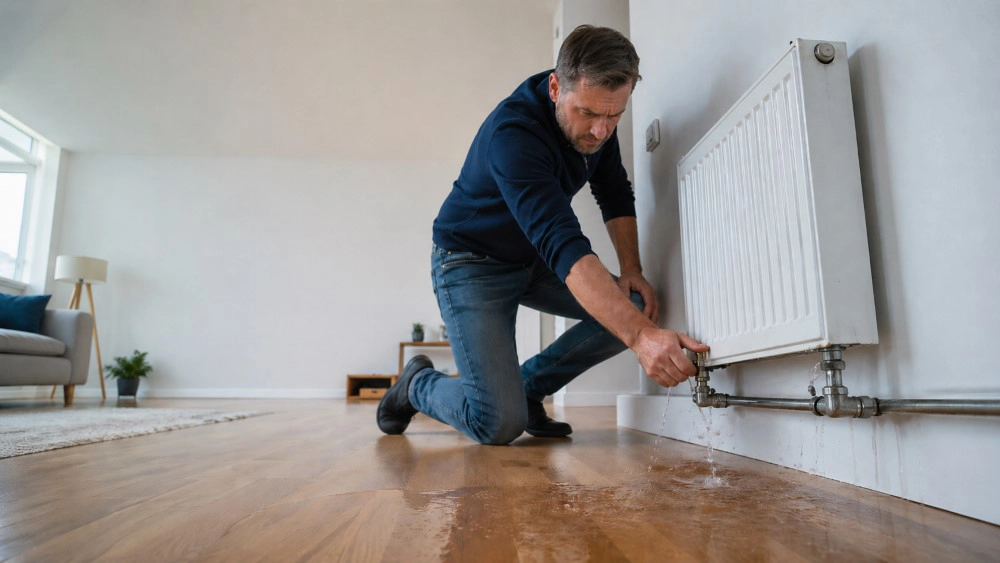
A burst pipe is one of the most stressful plumbing problems to deal with at home. Whether water is pouring through the ceiling or you’ve only just noticed a damp patch spreading across a wall, it can go from inconvenient to serious very quickly.
The good news is that the first steps are usually straightforward. If you can stop the water, make the area safe and limit the damage, you put yourself in a much better position while the problem is being dealt with.
If you’re a homeowner, it’s worth knowing what a burst pipe actually looks like, what causes it, and when it needs urgent attention.
Despite the name, a burst pipe is not always a dramatic split with water spraying everywhere. Sometimes it is exactly that. In other cases, it may be a cracked section of pipework, a badly failed joint, or pipework that has split during freezing weather and only starts leaking once it thaws.
A burst pipe can also be hidden. A pipe under a floor, behind a wall or above a ceiling may fail without you seeing the pipe itself. Instead, the first clue might be staining, damp, warped flooring, a sudden drop in pressure or water appearing where it should not be.
In short, if pipework has failed badly enough to let water escape into the home or affect the water or heating system, most homeowners would reasonably describe that as a burst pipe.
Some warning signs are obvious. Others are easier to miss at first.
Common signs include:
If the problem affects your heating system, you may also notice your boiler pressure dropping, radiators not heating properly, or water appearing around radiator valves and heating pipework. In those cases, the issue may need more than a simple plumbing repair and may overlap with central heating servicing and repairs too.
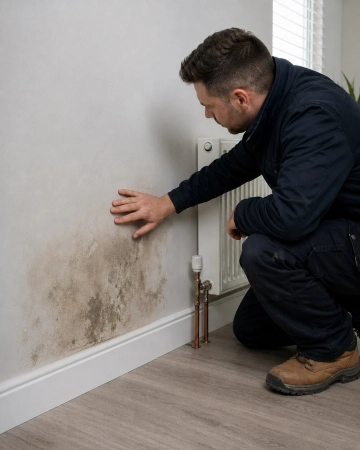
Frozen pipework is one of the most common causes, especially during cold snaps. When water freezes, it expands. That puts pressure on the inside of the pipe, and weaker sections can crack or split. Pipes in lofts, garages, outbuildings and outside walls are often most vulnerable.
Age and wear also play a part. Older pipework can corrode, joints can weaken and previous repairs may not always hold up long term. A small leak that is ignored for months can eventually become a much bigger failure.
Other possible causes include:
Where the fault affects your household water supply or hidden leak detection, it can naturally tie into broader hot and cold water services rather than just a one-off emergency repair.
If you suspect a burst pipe, try not to panic. Focus on the following steps in order.
This is the first priority. If water is escaping, you want to stop more of it entering the system as quickly as possible.
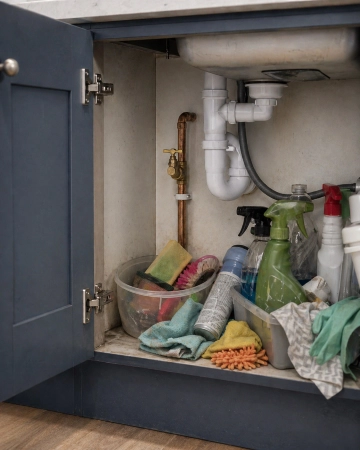
Most homes have an internal stopcock, often under the kitchen sink, in a utility room, under the stairs or near where the water supply enters the property. Turn it off fully.
If you do not know where your stopcock is, that’s worth sorting out before you ever have an emergency.
If water is near sockets, light fittings, appliances or any electrics, be very careful. Do not touch electrical items in wet conditions. If it is safe to do so, switch the electricity off to the affected area. If it is not safe, leave it alone and keep clear.
Keep children and pets away from the area as well.
Once the mains water is off, open cold taps to help drain any remaining water from the system. This can reduce the amount still sitting in the pipework.
If the leak appears to involve heating pipework rather than the mains water supply, be cautious. Heating systems can be a little more complex, and if your boiler or radiators are involved, it may need a heating engineer as well as a plumber.
Use towels, buckets and containers to catch escaping water. Move rugs, furniture, electrical items and anything else that could be damaged.
If water is coming through a ceiling, take care. A bulging or sagging ceiling can become unsafe if it is heavily saturated.
It can also help to take a few photos once the immediate situation is under control, particularly if you may need them later for insurance purposes.
Once the water is off and the area is safe, the next step is to have the fault properly diagnosed and repaired. Some burst pipes are easy to find. Others are hidden, or they are only part of a wider issue affecting the water system or heating pipework.
A few common mistakes can make matters worse.
Very often, yes.
If water is actively escaping, if it is near electrics, if it is coming through ceilings, or if your home cannot safely use its water or heating system, it should be treated as urgent.
That said, not every burst pipe involves water pouring through the house. If the water has been isolated, the leak is contained and there is no immediate electrical or structural risk, it may be less of an emergency than it first feels. It still needs prompt repair, but the key point is that you have reduced the immediate danger.
Being realistic about the situation is useful. The aim is not to be alarmist. It is simply to recognise that water damage can escalate quickly if left unchecked.
The repair depends on where the damaged section is and what type of system it belongs to.
In straightforward cases, the failed section of pipework is found, cut out and replaced. That may involve a cracked pipe, a failed fitting or a weak joint that has given way.
In less obvious cases, the first task is finding the source properly. Water can travel, which means the place where you see the damage is not always the place where the pipe has failed. If the problem is hidden, leak detection may be needed before repairs can begin.
A good repair should not just stop the immediate leak. It should also check whether anything else has contributed to it, such as corrosion, pressure issues, poor previous workmanship or wear elsewhere in the system.
If the affected pipe is part of your household supply, hot water pipework or cylinder setup, it’s time to call an expert.
This is where things can get a little different.
Heating pipework is often part of a sealed system, so a leak may show up as falling boiler pressure, patchy radiator performance, no heating, no hot water, or a boiler that stops working altogether.
You might also see water around radiator valves, pipe tails or other parts of the heating circuit.
In those cases, the issue is not only about stopping a leak. The wider heating system may need checking too. Radiators, valves, controls and boiler pressure may all need to be looked at before the system can be safely brought back into use.
You can’t remove every risk, but a few sensible steps can make burst pipes less likely.
What should I do first if a pipe bursts?
Turn off the mains water supply first. Then make the area safe, keep clear of electrics if water is nearby, and try to contain the leak as much as possible.
Can a burst pipe affect my boiler or heating?
Yes. If the leak is on heating pipework, it can cause pressure loss, poor radiator performance and boiler shutdown.
Can a frozen pipe burst after it thaws?
Yes. In fact, that is often when homeowners first notice the problem. The crack may happen while the water is frozen, but the leak appears once normal flow returns.
How do I know if the leak is hidden?
Common clues include unexplained damp, staining, warped flooring, falling pressure, a musty smell or the sound of running water when nothing is switched on.
Should I turn the boiler off as well?
If the leak affects the heating system, that is often sensible. If you are unsure, avoid interfering too much and get professional advice.
A burst pipe can be messy, disruptive and expensive if it is left to run. But the first steps are simple: turn off the water, make the area safe and prevent further damage where you can.
From there, the important thing is making sure the right part of the system is checked and repaired properly, whether that is mains pipework, hidden water services, radiator pipework or a heating-related fault.
Wilkins Plumbing & Heating can provide fast-response support for any of the issues described here. For homes in Somerset, Bath, Bristol and the surrounding area, call us on 01458 851267.
Contact us
Get In Touch

Call us on
Leave your details. We will get back to you.








Get a quote
Get in touch with one of friendly team members today!
